

Delving into Long Home Improvement: Top-Rated Projects for 2025, this introduction immerses readers in a unique and compelling narrative, with engaging and thought-provoking insights.
Exploring the most popular home improvement projects, the growing trend of sustainable home improvements, smart home integration, and the DIY vs. professional services debate for 2025.
Top-Rated Home Improvement Projects for 2025
In 2025, homeowners are increasingly opting for the following top-rated home improvement projects that not only enhance the functionality of their living spaces but also add value and appeal to their properties.
Kitchen Renovation
One of the most popular home improvement projects in 2025 is kitchen renovation. Homeowners are investing in updating their kitchens with modern appliances, sleek cabinetry, and functional layouts. This project not only improves the overall functionality of the kitchen but also adds significant value to the property.
Bathroom Remodeling
Another top-rated project for 2025 is bathroom remodeling. Homeowners are focusing on creating spa-like retreats in their homes by upgrading their bathrooms with luxurious fixtures, stylish tiles, and efficient storage solutions. A well-designed bathroom not only enhances the aesthetics of the property but also increases its market value.
Outdoor Living Spaces
In 2025, homeowners are prioritizing the creation of outdoor living spaces such as patios, decks, and outdoor kitchens. These spaces allow for extended living and entertaining areas, making them highly desirable for modern homeowners. Outdoor living spaces not only improve the quality of life for residents but also boost the curb appeal and value of the property.
Sustainable Home Improvement Trends
In 2025, there is a noticeable shift towards sustainable home improvement projects as homeowners become more environmentally conscious. These projects focus on reducing energy consumption, minimizing waste, and utilizing eco-friendly materials and technologies.
Eco-Friendly Materials and Technologies
Homeowners are increasingly opting for eco-friendly materials and technologies to reduce their carbon footprint and create a healthier living environment. Some examples of sustainable options include:
- Energy-efficient appliances and lighting: Installing energy-efficient appliances and LED lighting can significantly reduce electricity usage and lower utility bills.
- Solar panels: Harnessing solar power through the installation of solar panels can generate clean, renewable energy for the home.
- Bamboo flooring: Bamboo is a sustainable material that grows quickly and is harvested without causing deforestation. It is a durable and stylish alternative to traditional hardwood flooring.
- Low-VOC paint: Volatile organic compounds (VOCs) are harmful chemicals found in many paints. Low-VOC or zero-VOC paint options are available, reducing indoor air pollution and promoting better indoor air quality.
Long-Term Benefits of Sustainable Home Improvements
Investing in sustainable home improvements not only benefits the environment but also offers long-term advantages for homeowners:
- Cost savings: Energy-efficient upgrades can lead to lower utility bills and reduced maintenance costs over time, saving homeowners money in the long run.
- Increased home value: Sustainable features can enhance the resale value of a home, attracting environmentally-conscious buyers and setting the property apart in the real estate market.
- Healthier indoor environment: Using eco-friendly materials and technologies can improve indoor air quality, creating a healthier living space for occupants and reducing the risk of respiratory issues.
Smart Home Integration in Home Improvement
Smart home technology is revolutionizing the way we approach home improvement projects. By integrating intelligent devices and systems into our homes, we can enhance convenience, efficiency, and security.
Key Areas of Impact
- Energy Efficiency: Smart thermostats, lighting systems, and appliances help homeowners reduce energy consumption and lower utility bills.
- Security: Smart locks, cameras, and alarm systems provide increased protection and peace of mind for homeowners.
- Convenience: Voice-controlled assistants, automated blinds, and smart home hubs streamline daily tasks and routines.
- Health and Wellness: Smart sensors can monitor air quality, humidity levels, and even remind homeowners to stay hydrated or take medication.
Advantages of Smart Features in Home Renovations
- Increased Home Value: Homes with smart features are more attractive to buyers and can command higher prices in the real estate market.
- Remote Monitoring and Control: Homeowners can monitor and control their smart devices from anywhere using their smartphones, enhancing convenience and security.
- Customization and Personalization: Smart home technology allows homeowners to tailor their living spaces to their preferences and lifestyle, creating a more comfortable and enjoyable environment.
DIY vs. Professional Services in Home Improvement
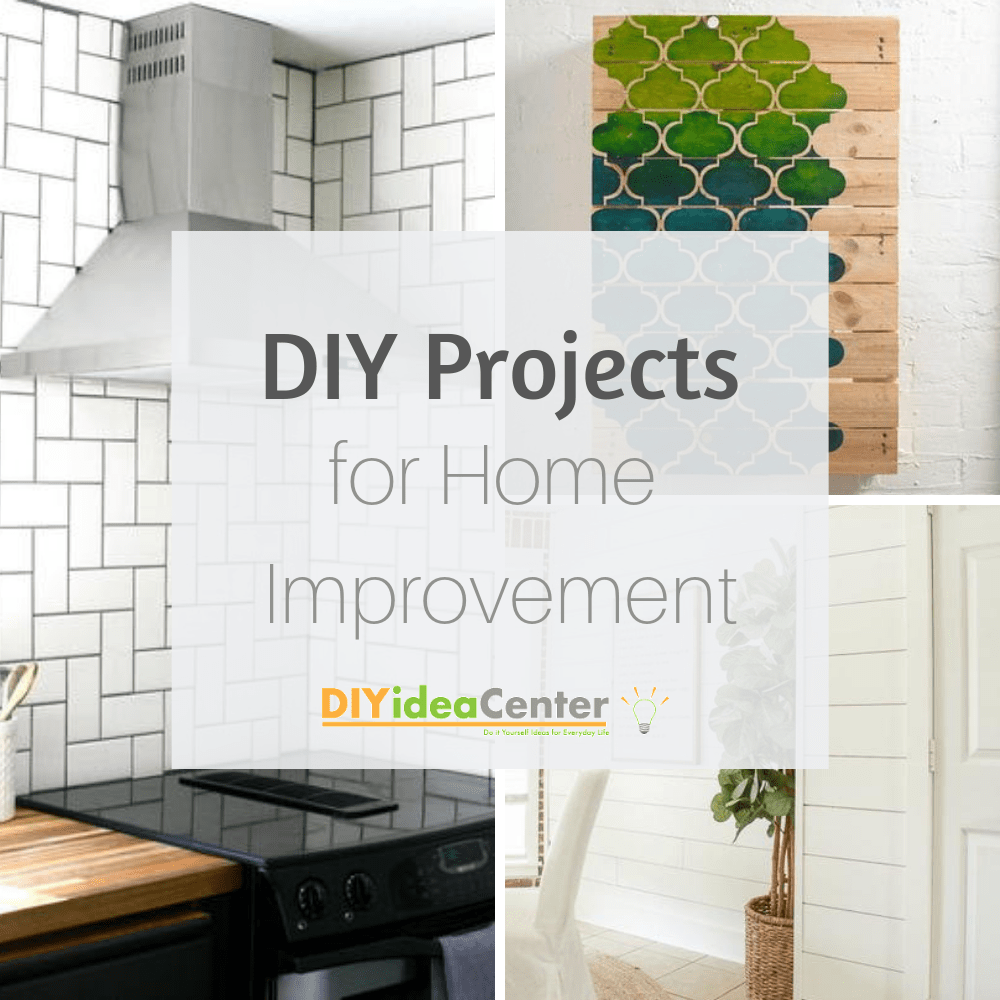
When it comes to home improvement projects, homeowners often face the decision of whether to tackle the task themselves or hire professional services. Both options have their own set of pros and cons, and it's essential to weigh them carefully before making a decision.DIY projects can be a great way to save money and add a personal touch to your home.
You have control over the entire process and can work at your own pace. However, DIY projects require time, effort, and skills, and mistakes can end up costing more to fix than if you had hired a professional in the first place.On the other hand, hiring professional services ensures expertise, efficiency, and quality work.
Professionals have the necessary skills and tools to get the job done right the first time. They also provide warranties and guarantees for their work, giving you peace of mind. However, professional services come at a cost and may not always align with your budget.
Tips for Decision Making
- Assess your skills and knowledge: Consider the complexity of the project and whether you have the necessary skills to complete it successfully.
- Evaluate your time and resources: Determine if you have the time, tools, and resources required to complete the project efficiently.
- Consider the risks involved: Think about the potential risks and consequences of DIY versus hiring a professional, especially in terms of safety and quality.
Cost Savings and Risks
DIY projects can save money on labor costs, but mistakes can lead to additional expenses. Hiring professionals may ensure quality work but comes with a higher price tag.
- DIY Cost Savings: You can save money on labor costs by doing the project yourself, especially for smaller tasks.
- Professional Quality: Hiring professionals guarantees quality work and expertise, reducing the risk of errors or subpar results.
- Risks of DIY: DIY projects can lead to mistakes, accidents, and potential damage to your property if not done correctly.
- Cost of Professional Services: Professional services come at a cost, which may be higher than your DIY budget, but ensure a job well done.
Final Summary
In conclusion, Long Home Improvement: Top-Rated Projects for 2025 offer a glimpse into the future of home renovations, combining innovation, sustainability, and practicality. Dive into these projects to enhance your living space with style and functionality.
Questions Often Asked
What are the benefits of sustainable home improvement projects?
Sustainable home improvements not only reduce environmental impact but also lower utility costs in the long run.
How do smart home features enhance home renovations?
Smart home technology adds convenience, security, and energy efficiency to modern homes.
Is DIY home improvement always cost-effective?
While DIY projects can save money, certain tasks are best left to professionals to avoid costly mistakes.